
Call for business advice
Can You Legally Use YouTube Videos or Music on Your Business Website
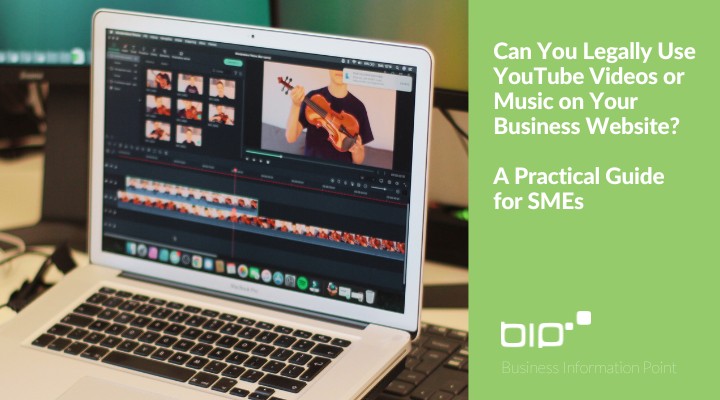
Adding music or video to your business’s website can make your content far more engaging. A short video clip can quickly explain a product or service, while music can add energy and personality to a promotional video. But many business owners run into the same question: “Can I legally use YouTube videos or music on my website?”
The answer is one worth getting right. Just like images, most music and videos online are protected by copyright. That means you usually can’t simply download them and add them to your website.
The good news is that there are safe and legal ways to use music and video content in your business website and marketing. In this guide, we’ll explain what’s allowed, what isn’t, and how small and growing businesses can use music and video confidently.
Why copyright matters for music and video
Whenever someone creates an original piece of content, whether it’s a song, a video, or even a short clip, it’s automatically protected by copyright, giving the creator control over how their work is used. This protection includes:
- Copying or downloading the content
- Publishing it on another website
- Editing it or including it in other media
- Using it for commercial purposes.
If you download a YouTube video or a music track and upload it directly to your own website, you are usually copying someone else’s work. Without permission, that can be a copyright infringement.
For business websites, the key is understanding the difference between embedding content and copying it.
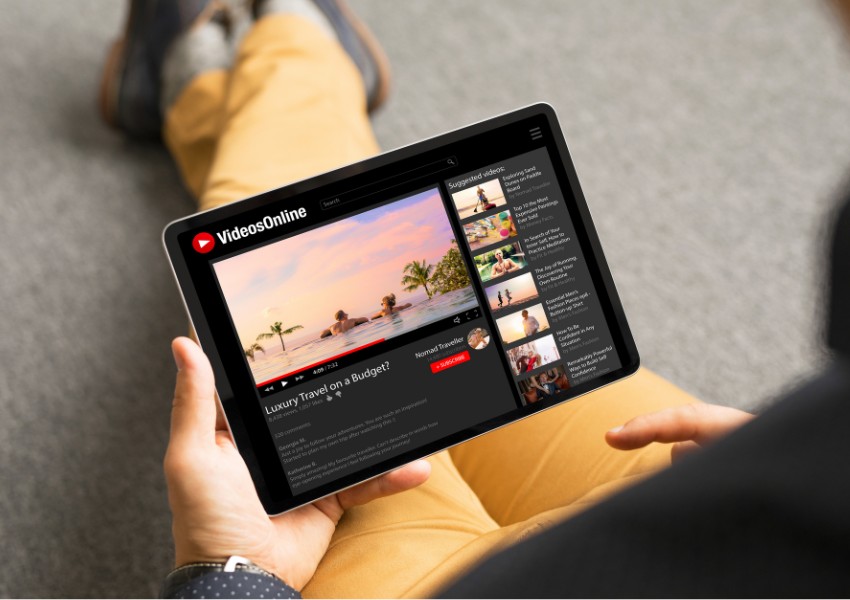
Is it legal to embed YouTube videos on your website?
In many cases, yes. If you embed a YouTube video using the platform’s official embed feature, you are not copying the video to your website. Instead, the video remains hosted on YouTube and simply plays within your webpage.
This is generally considered acceptable because the video remains on the original platform, and the creator still receives the view and attribution. By embedding, you are using YouTube’s built-in sharing tools.
You might embed a tutorial video in a blog post, share a product demonstration from a manufacturer or include a relevant industry talk or webinar. Using YouTube’s embed feature is usually the safest way to include video content you didn’t create yourself.
When embedding videos can still cause problems
Although embedding is often fine, there are a few situations where you should be cautious.
Potential issues include:
- The video was uploaded without permission
- The creator has disabled embedding
- The video is used in a misleading context
- The video is taken from pirated or unofficial sources.
For business websites, it’s best to embed videos from reputable or official channels, such as brands, organisations, or recognised creators.
When in doubt, linking to the video on YouTube, instead of embedding it, can be a safer option.

Can businesses download YouTube videos and use them on their website?
In most cases, no. Downloading a YouTube video and uploading it to your own website involves copying the copyrighted content. This usually requires permission from the copyright holder.
This applies even if you only use part of the video, such as:
- Short clips from interviews
- Product demonstration segments
- Movie or TV clips
- Music videos or performances.
Many people assume that using just a few seconds of video makes it acceptable, but unfortunately, there is no simple time rule in copyright law. Even very short clips are protected. If you want to use part of a video directly in your own content, you should ask permission from the creator or purchase a licence, if available.
Can I use music on my business website?
Music can add a lot to videos, brand storytelling, and marketing content, but it is one of the most heavily protected types of copyright material.
If you want to use music in promotional videos, website background videos, podcasts and audio clips, or social media content, you will need a licence to do so.
Music often has multiple copyright owners, including the songwriter, performer, and the recording owner (often a record label). That’s why simply adding a popular song to your business video can create a legal headache if you don’t have the correct permissions.

Safe and legal ways to use music and video on your website
The good news is that there are several straightforward ways businesses can legally use music and video content.
1. Use royalty-free music
Royalty-free music allows you to pay for a licence that lets you use the music without ongoing royalty payments.
Many libraries offer music designed specifically for business websites, marketing videos, advertising, social media content and more. There are lots of royalty-free music libraries online – the larger ones being Adobe, Canva and Uppbeat. And these days, the quality of royalty-free music is better than ever. Always make sure you check the licence terms carefully to ensure commercial use is allowed.
2. Use Creative Commons content
Some creators release their work under Creative Commons licences, which allow others to reuse it under certain conditions.
These conditions may include giving credit to the creator, not modifying the work, and not using it commercially. However, since most business websites are considered commercial use, it’s important to check the licence type carefully before using any content. The Creative Commons website has a useful tool to help you work out the type of license you need.
3. Create your own video content
One of the safest and potentially fun options is to create your own content. You could create your own product demonstrations, explainer videos, customer interviews, behind-the-scenes content or meet-the-team videos. Not only does this avoid copyright concerns, but original content also allows your brand personality to shine through, strengthening customer engagement. When it comes to SEO, search engines increasingly prioritise unique, useful content, and creating your own video content is a powerful way to achieve that.
4. Ask the creator for permission
If you find a video or piece of music that would be perfect for your website, you can always ask the creator for permission. Many creators are happy to license their work in exchange for crediting them and linking to their content, or a licensing fee. You’ll need to make sure any agreement is clearly documented.
A quick copyright checklist for business websites
Before using music or video on your website, ask yourself these questions:
- Did we create this content ourselves?
- Do we have permission or a licence to use it?
- Are we embedding the content rather than copying it?
- Does the licence allow commercial use?
If the answer to these questions is yes, it’s highly likely you’re using the content legally.
Can business owners really face legal action?
Absolutely! One thing many people assume is that if they use a short clip or a piece of music online, it’s unlikely anyone will notice. Unfortunately, that isn’t always the case. Copyright owners actively monitor how their content is used, and there are now automated tools used to search the internet for unauthorised use of music, video and images.
YouTube and similar platforms use systems such as Content ID to identify copyrighted material. If a rights holder discovers their work being used without permission, they can request that the content be removed and may pursue payment for a licence fee or damages. In some cases, businesses have received legal letters or settlement demands after using copyrighted material on their websites or marketing content. While this doesn’t happen in every situation, it’s a real risk, and it’s usually far easier and cheaper to use properly licensed content from the start than to deal with a copyright claim later.
Using video and music safely on your website
Video and audio can transform a website. They help explain products, showcase expertise, and make content more engaging. But because most music and videos are protected by copyright, it’s important to use them responsibly.
As a general rule:
- Embedding YouTube videos is usually acceptable
- Downloading and reposting clips usually isn’t
- Music almost always requires a licence.
Taking a few minutes to check licences or permissions can prevent legal problems and ensure your business is using media content in the right way.
Where to find royalty-free music and stock video for business websites
If you’re looking for royalty-free music for your business website or stock video for commercial use, there are some very good platforms available. These can be a great option for small businesses that want professional-looking content without creating their own.
It's important to note, however, that it’s still essential you check the licence for each individual track or clip before using it, especially if you plan to use the content on your website, in marketing videos, on social media, or in paid advertising. Royalty-free doesn’t always mean you can use it however you like.
Here's a shortlist of some of the most widely-used sites to explore:
Canva
Useful for businesses already creating marketing materials in Canva, with access to stock video and audio. Just be aware that licensing can differ depending on the asset, and some music is not cleared for all commercial uses. Canva says its general content can be used for a wide range of commercial uses, but its Popular Music library has separate restrictions. Canva offers a basic free tier and a Pro tier for around £10 a month, which is worth it if you intend to use it a lot. Canva Pro also offers you full access to a far wider range of assets.
Adobe Stock
A strong, professional option for licensed stock video and royalty-free audio, especially for businesses producing polished website and campaign content. Adobe’s standard and audio licences generally cover websites and many digital marketing uses, though some uses need an extended licence.
Uppbeat
A popular platform for royalty-free music for online business content, especially social media and web video. It can be a good fit for SMEs, though broader uses such as broadcast or specialist commercial productions may need different licensing.
Pixabay
Offers free stock video, music and sound effects, and is often a good starting point for small businesses.
Pexels
Popular for high-quality free stock videos and useful for websites, blogs and social content.
Mixkit
Free stock video, music and sound effects, often handy for promotional content.
Coverr
A useful option for free stock video for commercial use, especially for website backgrounds and short visual clips.
Freepik
Offers stock footage, motion graphics, music and sound effects, though licence terms can vary by file.
Bensound
A well-known source of royalty-free music for business use, with both free and paid licensing options.
A simple rule to remember
Before downloading anything, always make sure the licence clearly allows:
- Commercial use
- Website use
- Video/social media use (if relevant)
- Any edits or modifications you plan to make
If you can’t quickly see that your intended use is allowed, it’s best to pause and double-check before publishing.
This article provides general guidance for businesses and SMEs and does not constitute legal advice. If you are unsure about copyright or licensing for a specific project, it’s always best to seek professional legal advice.
Are you a business owner in Devon or Somerset? Would you like some free advice on any of the areas covered in this article, or on any other business challenges you’re facing? We’re here to help. Take a look at our current business support programmes here to see what’s available right now and to check your eligibility.

Share this Post

2 Comments on “Can You Legally Use YouTube Videos or Music on Your Business Website”
Honestly the “simple rule” part is what most small business owners need to hear. Royalty-free doesn’t mean free to use however you want, and that trips so many people up. I learned the hard way after getting a copyright strike on a client site for using a track I thought was fine.
Can I get clips from u tube and put an edge around the clip or videos from 20 years ago im just trying to understand how to go about it 😅